
Personal project
Lathe: targeted modernisation of existing technology
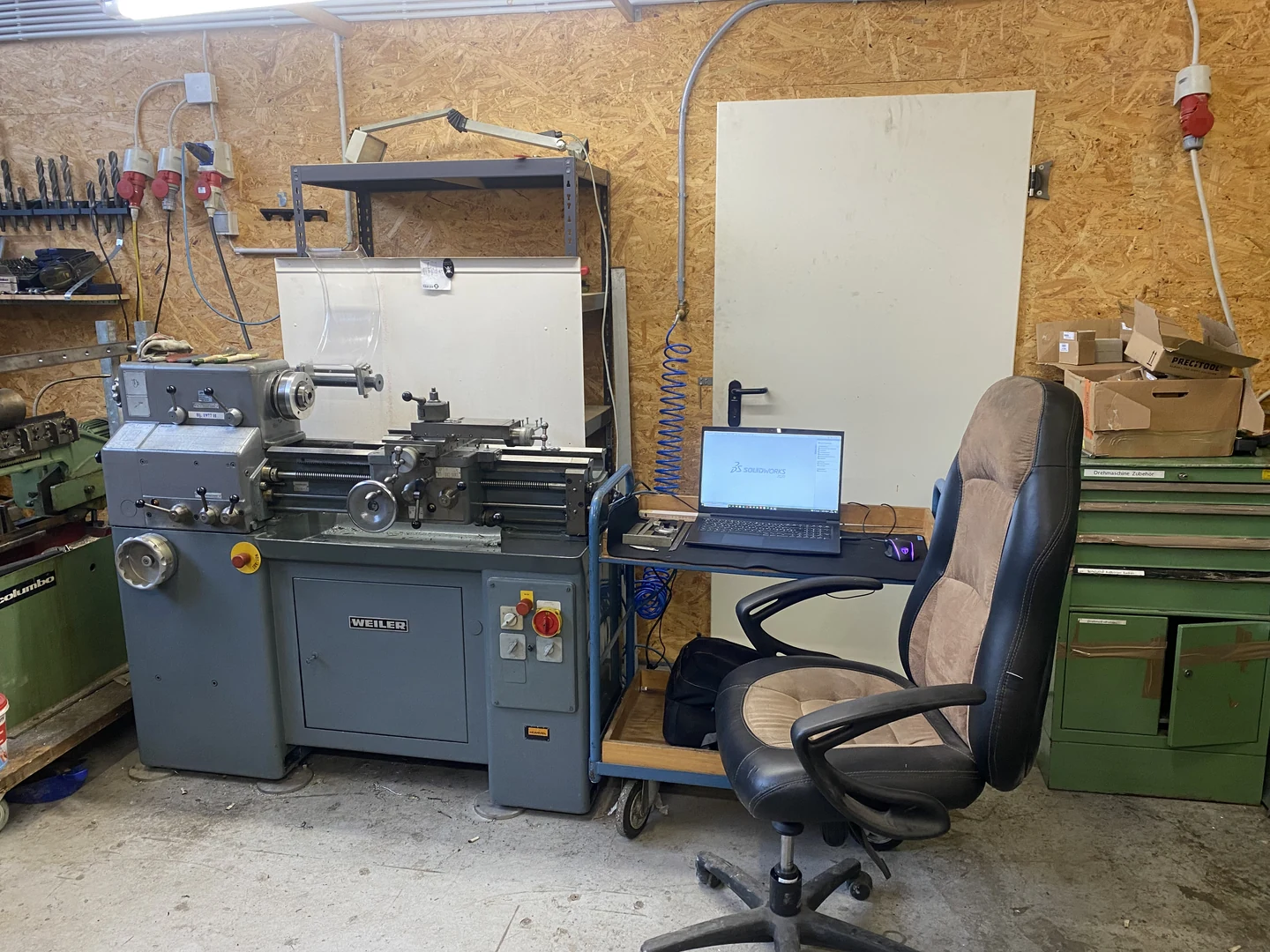
The starting point was my own existing lathe. Rather than replacing it, I retrofitted one specific aspect: reading the position.
Measure manually and reconstruct in CAD
The conversion dates from before I owned a 3D scanner. I measured the existing geometry manually and reconstructed it in CAD.
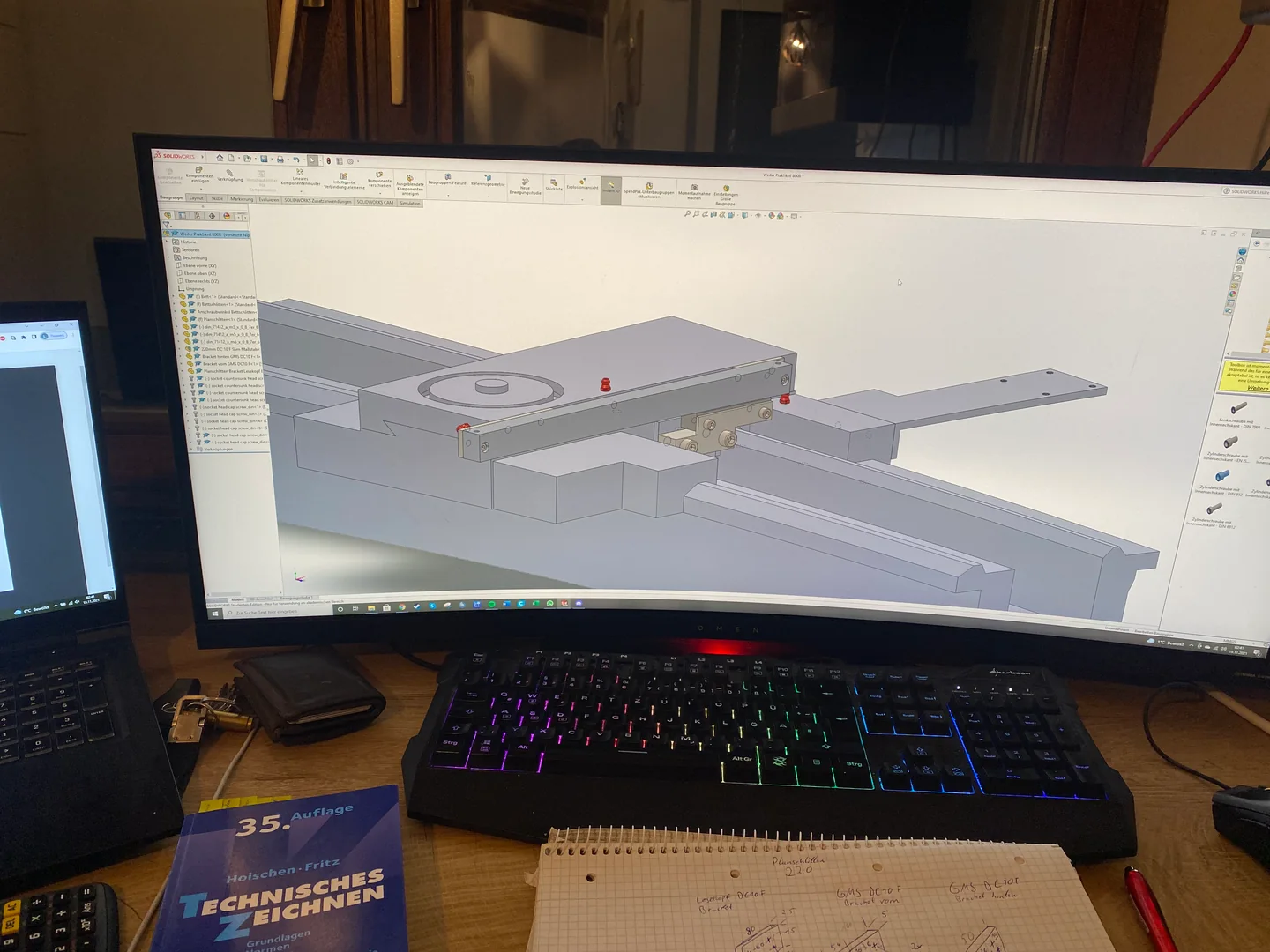
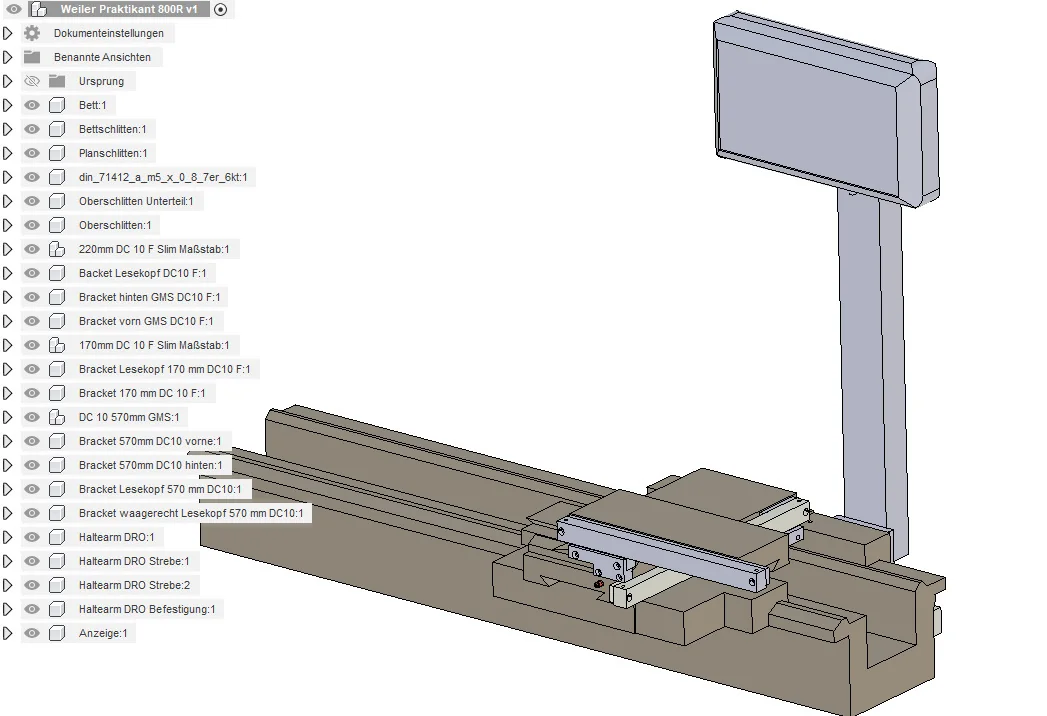
Design of the complete assembly
I brought together the complete assembly with the linear encoders, digital readout and mount in CAD. The illustration shows the design.
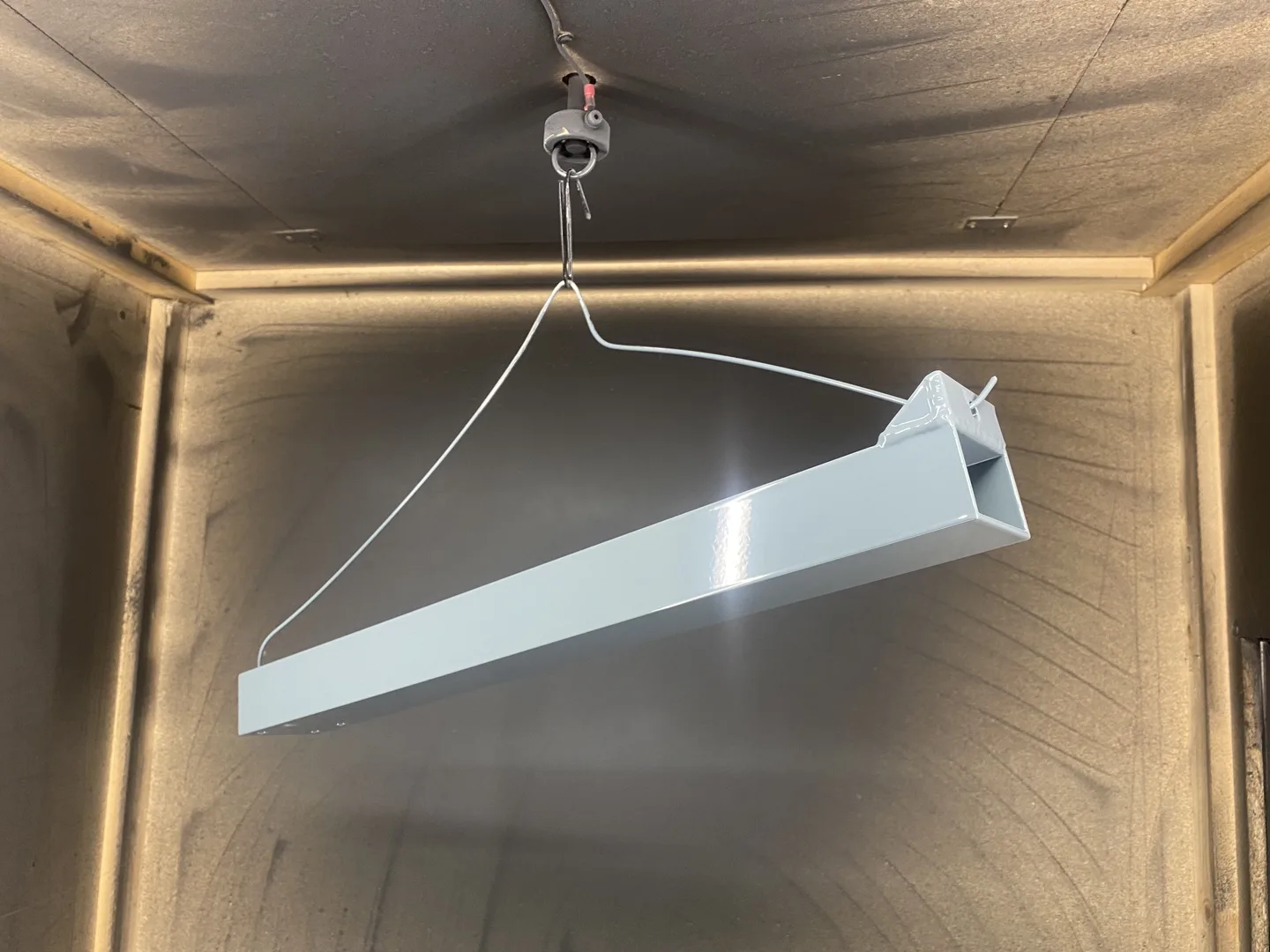
Manufacture and coat the mount
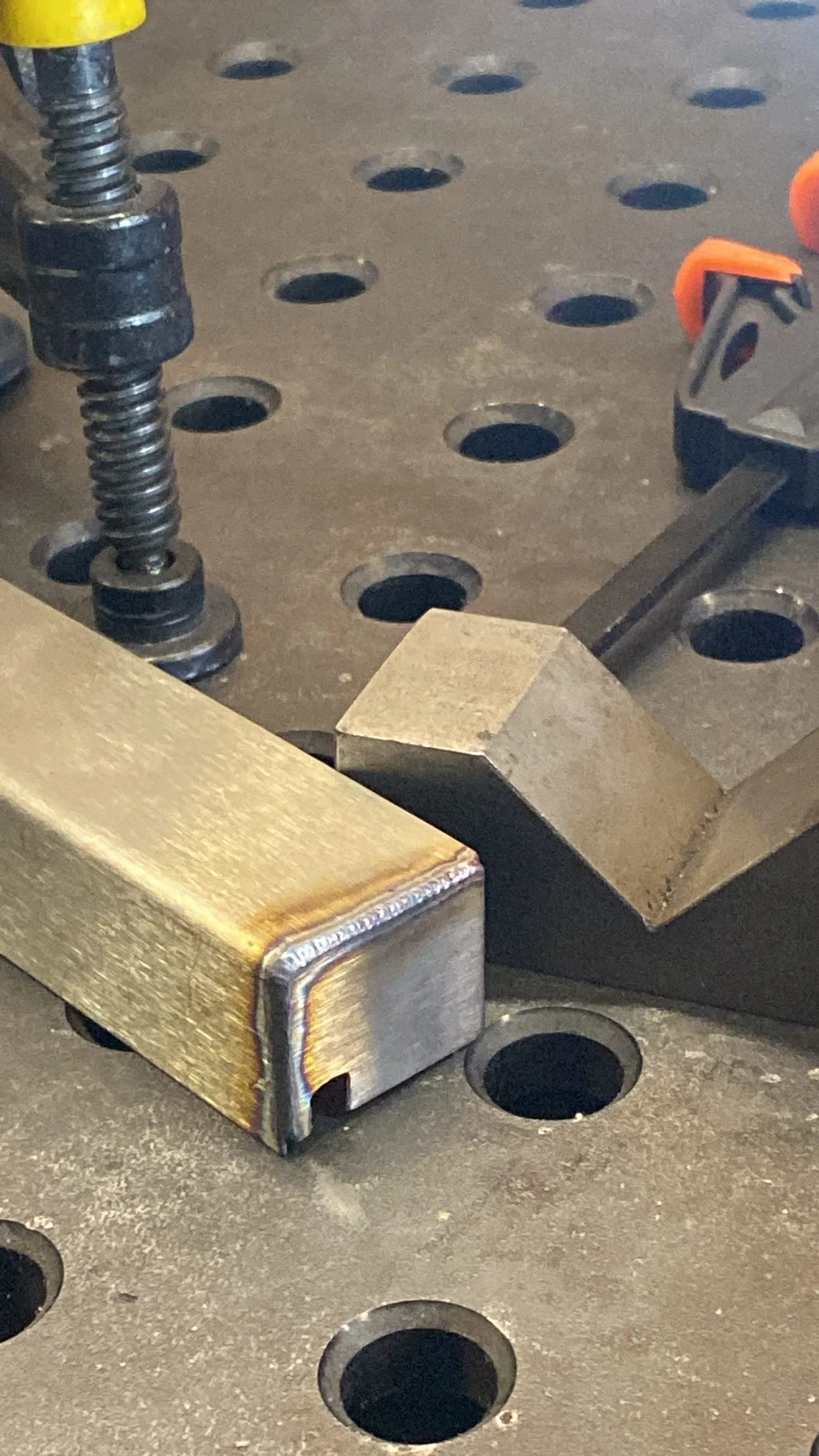
I welded the mount and then powder-coated it.
Implementation
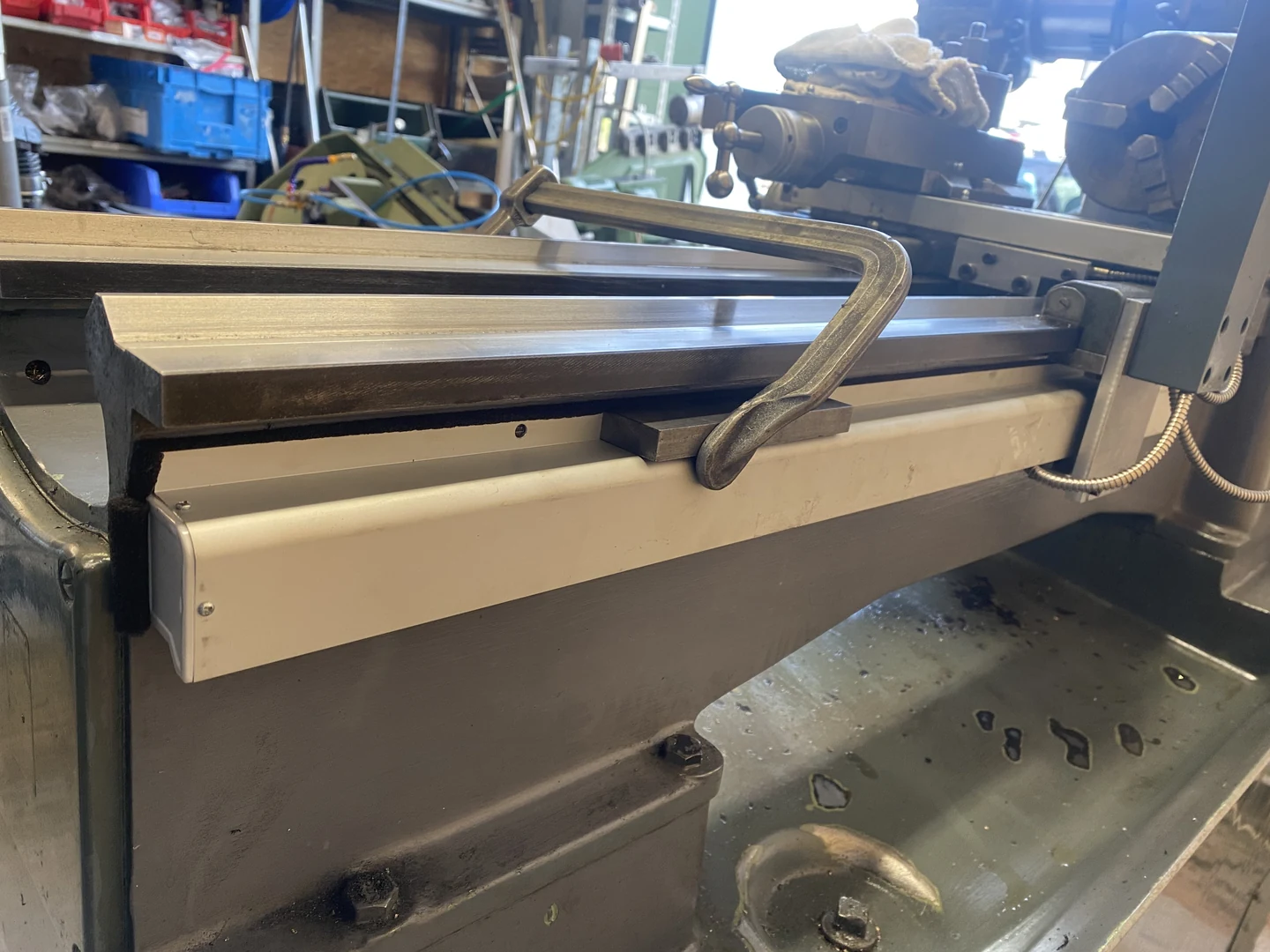
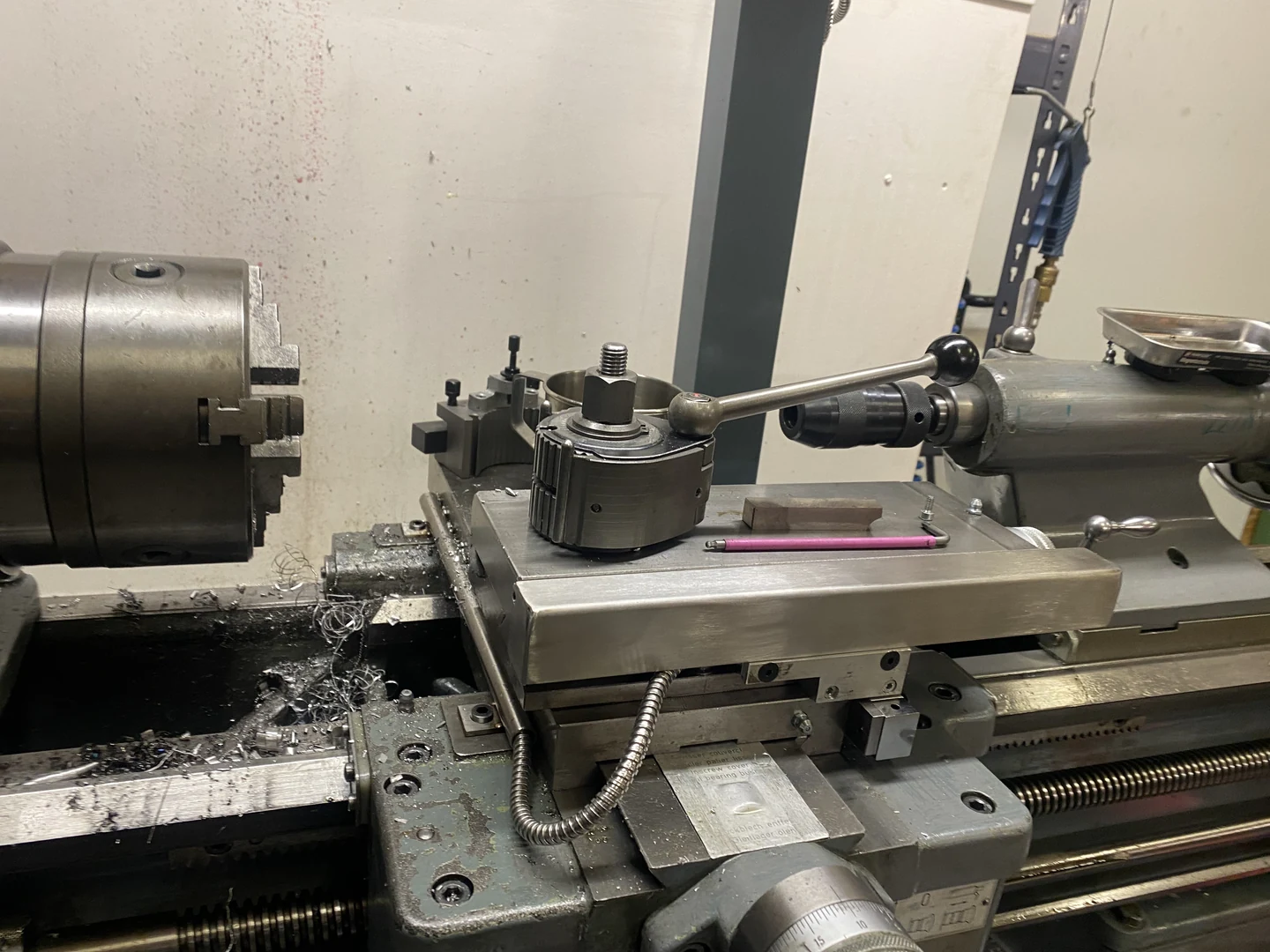
I equipped the machine with glass scales and a digital readout.
- Glass scales mounted on the axes
- Digital readout displays the position directly at the workstation
Technical context
Without the retrofit, position is read from the scales on the handwheels.
What the retrofit provides
- Glass scales measure slide movement directly at the axis
- The readout displays position numerically, eliminating the need to count handwheel revolutions
- Actual slide travel is measured independently of the spindle drive
Limitations
- Mechanical backlash is not eliminated
- The digital readout does not control movement; it displays the measured position
- The machine remains conventionally operated
I apply this principle to companies: not all existing technology needs replacing. A targeted retrofit at the point where the process actually benefits is often sufficient.
Put a targeted retrofit in context
Installation space, display accessibility and operation determine how an addition fits the workstation. Mechanical condition needs separate consideration: a digital readout does not remove backlash or replace repair.
This retrofit of my own machine illustrates the decision: which targeted addition supports the existing workflow, and where would a different measure be needed?
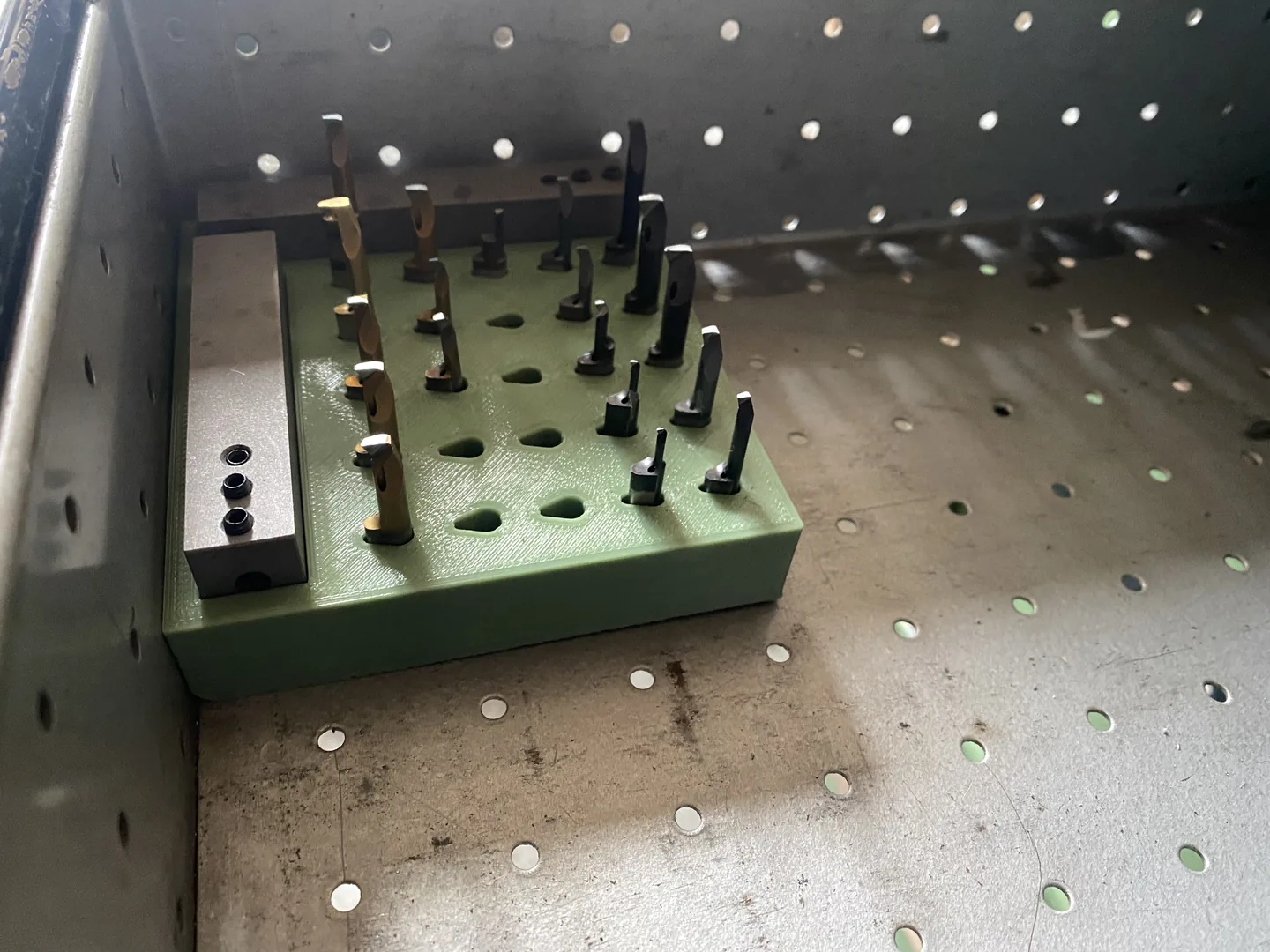
Workstation organisation
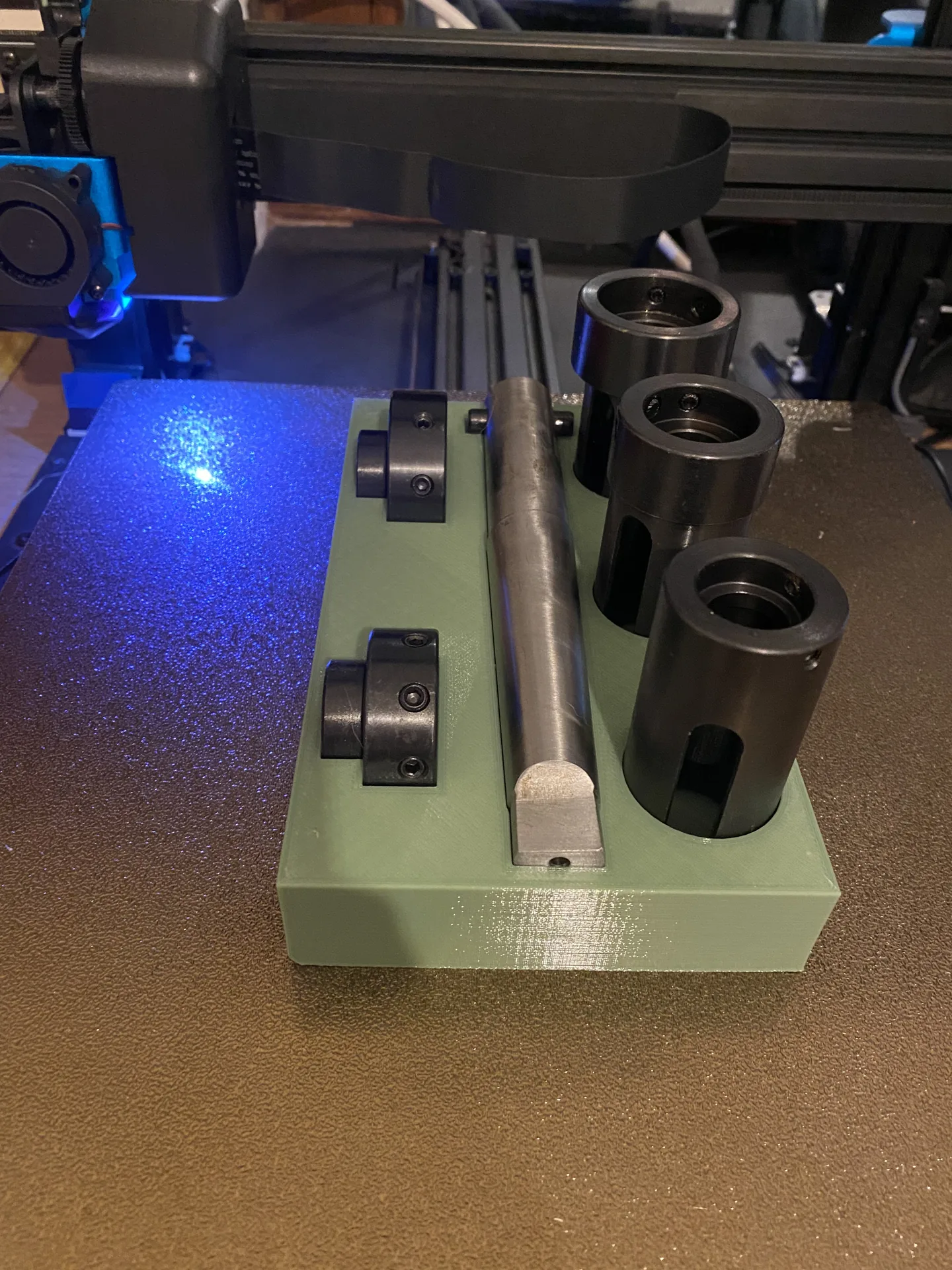
A usable workstation also requires tools and accessories to have a fixed place. I made printed inserts for the drawers at the machine for this purpose.
A similar project in your company?
Related projects
Back to projectsContact
Describe your technical project.
I will get back to you within two working days.
Lukas Heizmann · Saulheim. You will receive the terms and conditions with the quotation.
Three useful details:
- Company / task
- Objective
- Timeframe
If data is needed, we agree a suitable transfer method. You do not need to attach confidential files to the first enquiry.